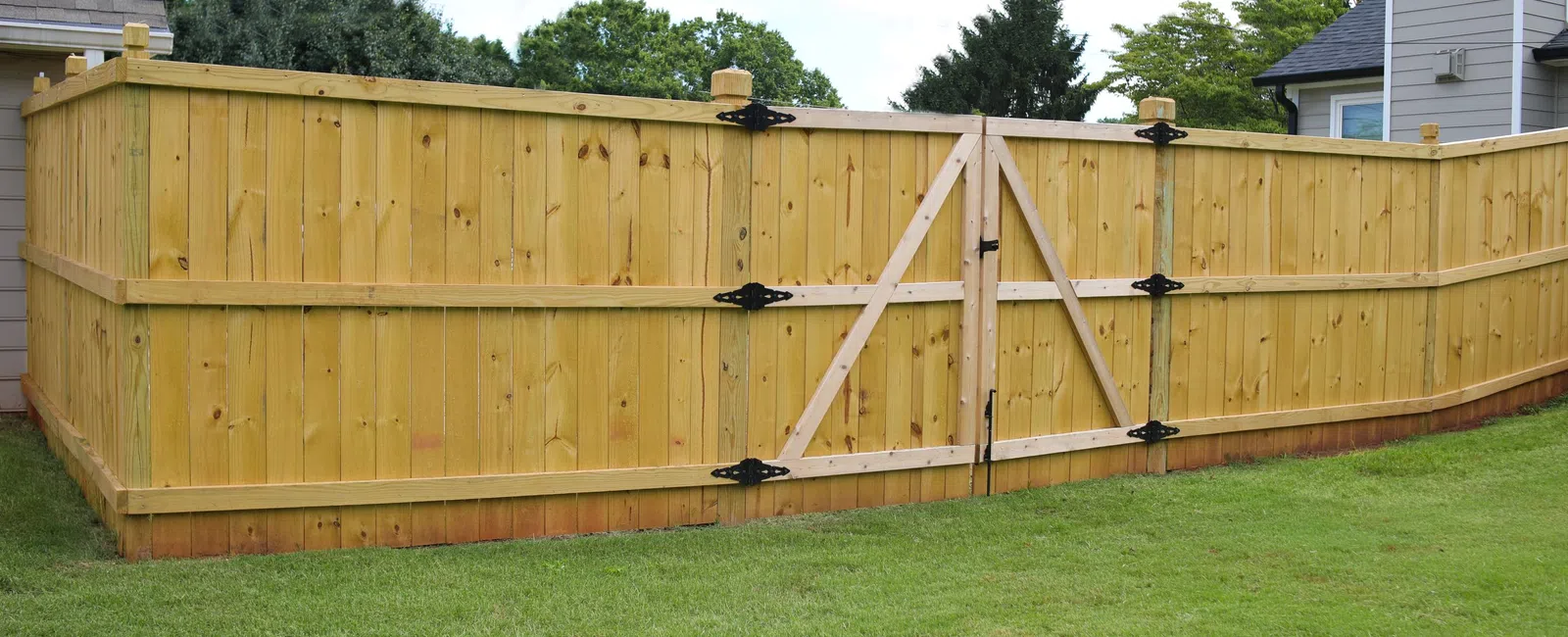
Like many states throughout the US, Georgia has unique soil conditions that significantly impact fence durability. Georgia soil is characterized by highly weathered, acidic, and, in the Piedmont region, iron-rich saprolite, also known as "red clay".
While the northern region features thinner, clay-heavy soil, the Coastal Plains have sandier, faster-draining soil. These types of soil are typically low in nutrients and vulnerable to erosion. First Fence of Georgia is an expert in local soil conditions and adaptable fence installation methods.
What Makes Georgia Red Clay Soil So Challenging
Georgia red clay soil can be difficult to work with at times. Its dense, compacted texture makes it challenging for fencing. During the winter and spring seasons, red clay expands. During the summer and fall seasons, it contracts. The clay becomes extremely hard when dry, making it difficult to dig, till, or manipulate during the fencing process. It will contract and form a hard, impermeable crust.
When the clay is wet, it becomes waterlogged and expands, making it impossible to drain. If red clay is handled while wet, it becomes compact and very difficult to fix. With these challenges in mind, red clay is difficult to work with and can negatively impact the durability of a fence post. This type of soil behavior causes fence post shifting, leaning, and, eventually, failure. It's often referred to as unworkable due to these challenges.
Why Standard Fence Post Installation Doesn't Work Here
Are you wondering how to set a fence post in clay soil the right way? Standard fence post installation doesn't work here in Georgia. Some fencing companies with inexperienced contractors will follow "one-size-fits-all" installation methods that are fallible. Standard fence installation processes that ignore soil conditions will result in various issues, like leaning or shifting posts, rotting, and uneven fences.
A fence post in clay soil will fail due to poor drainage, leading to wood rot and high expansion or contraction. The fence post will constantly be wet, leading to accelerated rot. When the clay is wet, it leads to structural instability, causing the post to become wobbly. Setting fence posts in clay soil requires a specific technique.
The Best Way To Set Fence Posts In Clay Soil Installations
Professional-grade techniques suited for clay soil require managing water retention and soil movement to prevent rot and shifting. The best way to set fence posts in clay soil is to dig deeper post holes than traditional methods. Digging post holes that are 1/3 of the post height will create a 100-150mm drainage layer of gravel at the base to help with drainage issues.
Also, using high-strength or fast-setting concrete and sloping the surface cement away to shed water will reduce the risk of rotting. In areas with highly expansive "black soil" or extreme clay, you should consider staggering posts on alternating sides of the fence line to reduce pressure. These techniques ensure long-term stability and structural integrity when setting fence posts in clay soil.
Contractor Vetting Matter For Clay Soil Installations
Property owners should look for contractors who have experience with Georgia-specific soil conditions when hiring a fencing contractor. Contractors with the proper experience will know which methods to utilize when building your fence.
Instead of choosing standard methods, experienced contractors will be able to examine the soil and determine which methods will manipulate the soil the best to successfully secure your fence posts. Hiring an inexperienced contractor will lead to structural issues and unnecessary fees to replace the fence. Proper contractor vetting will save you time and money.
How First Fence of Georgia Helps Ensure Compliance
First Fence of Georgia knows the best way to set fence posts in clay soil. We utilize the best approach to set fence posts in clay soil that will last longer than traditional methods. Our team of expert contractors follows state, city, and HOA installation standards to complete our fence installations for residential and commercial properties. Contact First Fence of Georgia for more information on fence installations.